


Mastering Model Poses: Essential Tips for Aspiring High Fashion Models
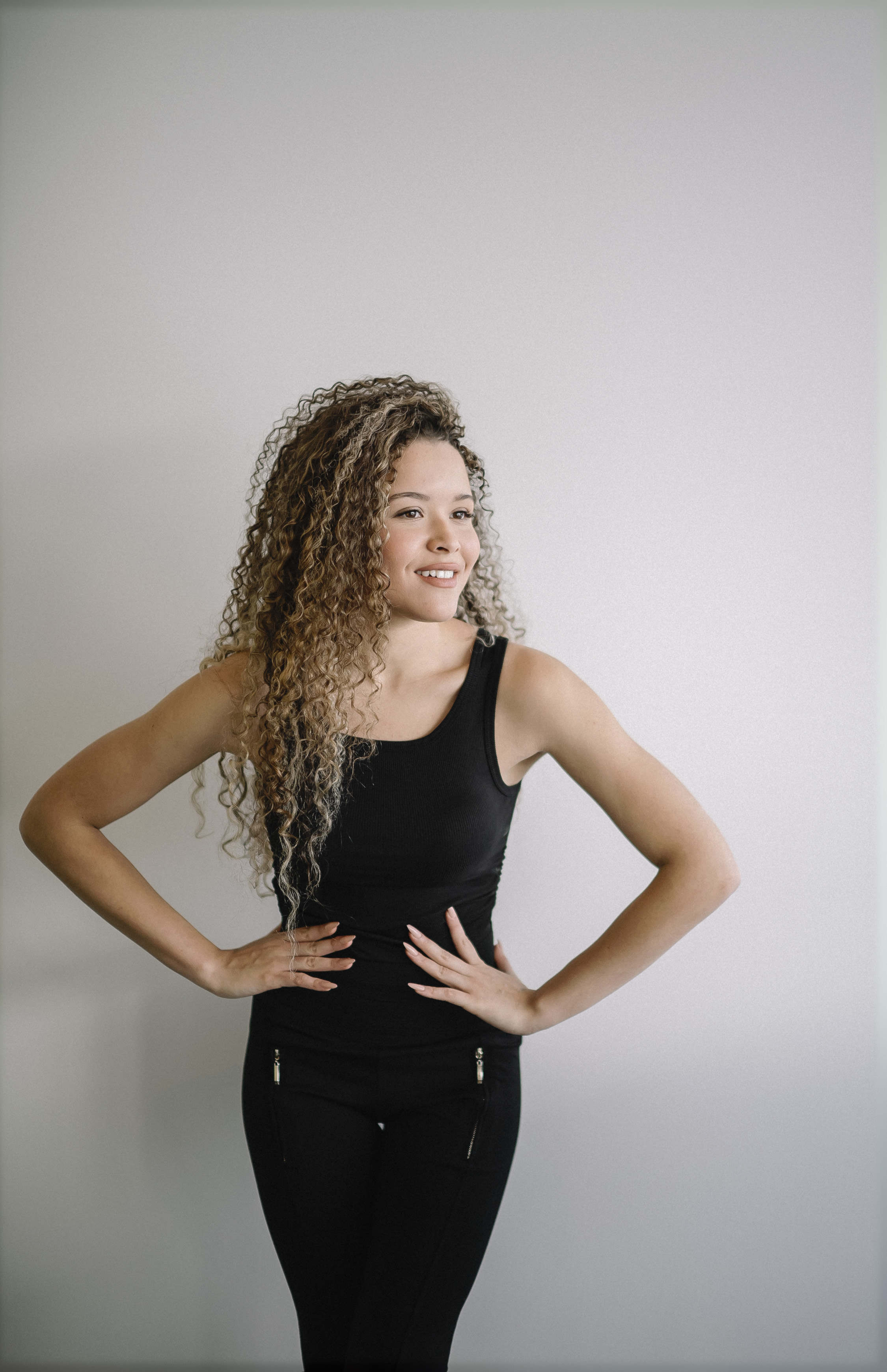
Posing is more than just standing still and looking good. It shapes how a model tells a story, connects with the camera, and brings fashion to life. For aspiring models, especially those stepping into high fashion, mastering poses is a skill that sets you apart. This guide breaks down the essentials of posing, runway walking, and photoshoot preparation to help you build confidence and professionalism from the start.

Why Posing Matters in Modelling
Posing is the language of modelling. It communicates mood, style, and personality without words. A strong pose can highlight the clothing, accessories, or concept behind a shoot. It also helps photographers capture the best angles and lighting. For models, good posing:
Enhances your portfolio with dynamic images
Shows versatility to clients and casting directors
Builds confidence in front of the camera and on the runway
Creates memorable impressions during castings and events
Understanding how to pose professionally means you can adapt to different styles, from editorial to commercial, and meet the expectations of various clients.
High-Fashion Posing Basics
High-fashion posing focuses on creating striking, elegant, and sometimes unconventional shapes. Here are the key elements:
Creating Angles and Posture
Use your limbs to form clean lines: Bend elbows and knees slightly to avoid stiffness.
Shift your weight: Lean on one leg to create natural curves and avoid a flat silhouette.
Elongate your neck: Push your chin slightly forward and down to define your jawline.
Keep your back straight: Good posture projects confidence and grace.
Body Positioning
Twist your torso: A slight twist adds dimension and depth.
Cross legs or arms carefully: This can add interest but avoid hiding your outfit.
Use asymmetry: Uneven positioning looks more dynamic than perfectly symmetrical poses.
Facial Expressions
Relax your face: Avoid tension in the jaw and forehead.
Use your eyes: A strong gaze can convey emotion or mystery.
Experiment with subtle smiles or serious looks: Match the mood of the shoot.
Hand Placement
Keep fingers soft and natural: Avoid stiff or claw-like hands.
Use hands to frame your face or body: This draws attention to key features.
Avoid covering your face or important details: Let the clothes and accessories shine.
Movement
Incorporate slight motion: Small shifts or hair flips add life to photos.
Practice fluid transitions between poses: This helps during video shoots or runway walks.
Grooming, Makeup & Self-Care
High-fashion modelling is not about hiding who you are, it's about presenting the best version of yourself. At Projection Models, we celebrate individuality and believe beauty comes in many forms. Strong modelling starts with confidence, self-care, and being well-groomed.

Makeup
For headshots and professional photos, natural-looking makeup is often recommended.
The goal is to enhance your features, not conceal them.
Light coverage can help even skin tone, reduce the appearance of dark circles, and create a polished look on camera.
Avoid overly heavy makeup that changes your natural appearance unless specifically requested for a creative or editorial shoot.
Remember: casting directors and photographers want to see the real you.
Skincare
Healthy skin photographs beautifully at every age, complexion, and skin type.
Focus on hydration, cleansing, and a consistent skincare routine leading up to a shoot.
Avoid trying new products immediately before a photoshoot to reduce the risk of irritation or breakouts.
Well-cared-for skin often requires less makeup and allows your natural features to shine.
Hair Care
Arrive with clean, healthy-looking hair unless instructed otherwise.
Keep hair trimmed, conditioned, and well-maintained.
Natural textures, curls, waves, and unique features are welcomed and celebrated, but remember that texture doesnt mean unruly.
Avoid drastic changes right before an important shoot unless approved by your agency or client.
Well-Groomed, Not Perfect
Modelling is not about fitting into outdated beauty standards.
Unique features, freckles, scars, natural hair textures, diverse body types, and individual characteristics are often what make a model memorable.
Professional grooming simply shows that you take pride in your presentation and are prepared for opportunities.
The most successful models understand that confidence grows from self-care, preparation, and authenticity. Your goal is not to look fake but to present the strongest, healthiest, and most confident, glowing version of yourself.
Different Photo Angles to Master

Knowing how to pose for various camera angles is essential:
Front-facing: Stand tall, shoulders back, and engage the camera with your eyes.
3/4 angle: Turn your body slightly away from the camera to create depth.
Side profile: Highlight your jawline and silhouette by turning completely sideways.
Over-the-shoulder: Look back over your shoulder for a mysterious or playful vibe.
Walking shots: Keep your stride natural, arms relaxed, and posture upright.
Headshots: Focus on clean lines, strong eye contact, and subtle expressions.
Step-by-Step Posing Tips Inspired by Editorial and High-Fashion Modelling
Start with your feet: Position them to create a base, usually one foot slightly in front.
Engage your core: Tighten your stomach muscles to support posture.
Lift your chest and elongate your neck: This opens your upper body.
Place your hands thoughtfully: Avoid awkward or hidden placements.
Tilt your head slightly: Adds softness or edge depending on the angle.
Use your eyes to tell a story: Look directly, away, or down to change mood.
Hold the pose briefly: Give the photographer time to capture the best shot.
Transition smoothly to the next pose: Keep your movements natural.
Common Posing Mistakes and How to Avoid Them
Stiffness: Loosen up before shooting; practice in front of a mirror.
Over-posing: Avoid forced or unnatural positions; keep it simple.
Flat posture: Always engage your core and elongate your body.
Hands hiding features: Place hands where they complement, not cover.
Ignoring facial expression: Your face tells half the story.
Looking away without purpose: Make sure your gaze fits the mood.
Preparing for Headshots, Portfolio Shoots, Castings, and Professional Photography Sessions
Preparation is key to making the most of every shoot.
Practice your poses and expressions at home: Use a mirror or camera.
Choose outfits that fit well and suit your style: Avoid busy patterns.
Keep makeup natural and camera-ready: Highlight your best features.
Arrive rested and hydrated: Energy shows in photos.
Bring a variety of looks: Different outfits and hairstyles.
Communicate with the photographer: Understand the shoot’s vision.

Tips for Working with Photographers and Taking Direction Professionally
Listen carefully: Photographers often give specific instructions.
Ask questions if unclear: Clarify poses or mood.
Stay flexible: Be ready to try different angles or expressions.
Maintain energy: Keep enthusiasm even during long sessions.
Review shots when possible: Learn what works best.
Build rapport: A good relationship improves results.
How to Pose at Networking Events, Red Carpets, Media Walls, and the Projection Models Launch Party
Events require quick, polished posing to make a strong impression.
Stand with good posture: Shoulders back, chin up.
Angle your body slightly: Creates a flattering silhouette.
Smile naturally or use a confident expression: Match the event tone.
Keep hands relaxed: Hold a clutch or place one hand on your hip.
Engage with the camera: Eye contact is key.
Practice a few signature poses: Have go-to looks ready.

Practice Exercises to Improve Posing and Confidence at Home
Mirror work: Try different poses and facial expressions.
Record yourself: Watch videos to spot areas for improvement.
Use household items: Practice holding bags or accessories.
Walk in heels: Build balance and grace.
Stretch and strengthen: Flexibility helps with fluid posing.
Create mini photoshoots: Experiment with lighting and angles.
For more help take our CERTIFIED MODELING COURSE, recognized worldwide

Comments